1. Cleaning the Range Hood Exterior
Regularly wipe surfaces with a damp cloth, paying special attention to buttons and control panels. Grease stains can be treated with warm water and a small amount of dish soap. Avoid using strong corrosive cleaners to prevent damage.
2. Cleaning the Grease Filter
The grease filter accumulates the most oil and should be cleaned monthly or every two months.
- Remove the filter and soak it in a mixture of warm water and dish soap for 15-20 minutes.
- Gently scrub the filter holes with a soft brush or sponge to thoroughly remove grease.
- Use a specialized cleaner for stubborn grease stains.
- Rinse, dry completely, and reinstall.
3. Replace the Activated Carbon Filter
Designed for recirculating range hoods without external exhaust ducts (e.g., built-in models), this filter absorbs odors and harmful substances. Replace every 6 months to 1 year; shorten to 3-6 months for high-use kitchens. Ensure the filter model matches your unit.
4. Clean Ventilation Ducts
Blocked exhaust ducts reduce efficiency and pose safety risks:
- After disconnecting power, inspect visible duct sections for grease buildup
- Hire professionals for complex ductwork cleaning
- Use a vacuum cleaner or damp cloth to remove grease from accessible areas
5. Inspect Fan and Motor
Regularly check core components for operational status. Monitor for fan stuttering or uneven motor operation. Address abnormalities promptly through repair or replacement.
Consistently performing these maintenance steps ensures optimal grease filtration and air purification performance, extends appliance lifespan, and maintains consistently fresh kitchen air.
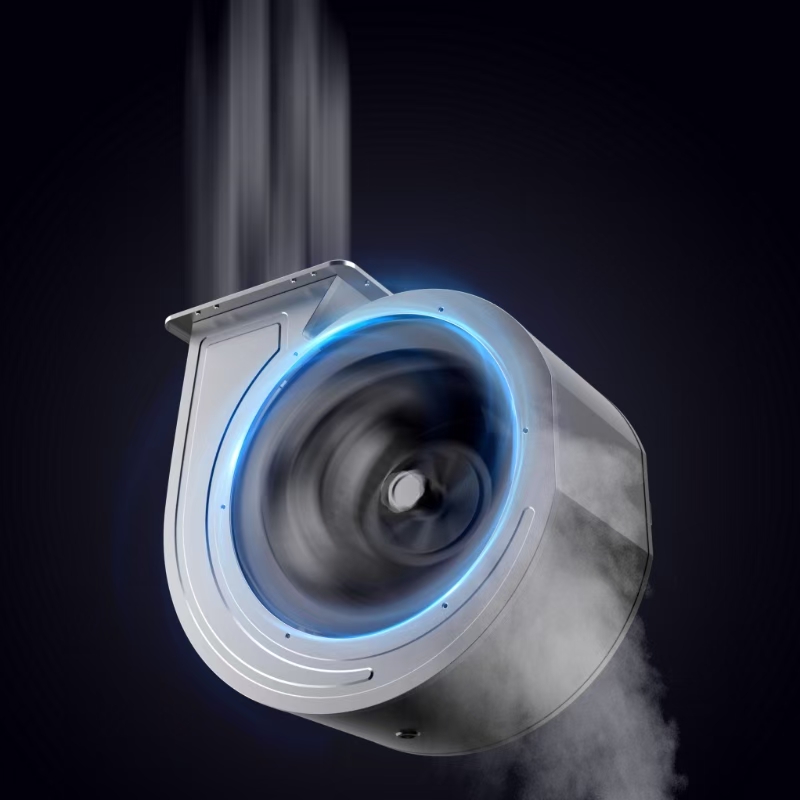
The range hood vent is an indispensable part of modern kitchens, effectively extracting cooking fumes, steam, and odors to keep your kitchen fresh. However, to ensure its long-term efficiency, regular cleaning and maintenance are essential. This article provides practical tips on cleaning and maintaining your range hood ventilation system, covering care methods for the exterior, grease filters, activated carbon filters, and vent openings.
1. Cleaning the Range Hood Exterior
The range hood's appearance not only impacts your kitchen's overall aesthetics but also directly affects its functionality. To maintain a clean appearance, regularly wipe the surface with a damp cloth, paying special attention to buttons and control panels. For grease stains on the exterior, use warm water and a small amount of dish soap. Avoid highly abrasive cleaners to prevent surface damage.
2. Cleaning the Grease Filter
The grease filter is the part of the range hood most prone to accumulating grease. Its primary function is to filter oils and other contaminants from the air, making its cleaning a crucial aspect of range hood maintenance. Depending on usage frequency, the grease filter should be cleaned monthly or every two months.
Cleaning Method:
* First, remove the grease filter and soak it in a mixture of warm water and dish soap for about 15-20 minutes.
* Gently scrub the filter with a soft-bristled brush or sponge, ensuring no grease residue remains in the holes.
* For stubborn grease stains, use a specialized range hood cleaner to help break down the grease.
* After cleaning, rinse the filter thoroughly with water and allow it to dry completely before reinstalling it in the range hood.
3. Replacing the Activated Carbon Filter
Activated carbon filters are typically used in recirculating range hoods (those without external exhaust ducts). Their primary function is to absorb odors and harmful substances from cooking fumes. If you use this type of range hood (e.g., under-cabinet models), replacing the activated carbon filter is essential.
Replacement frequency is generally every 6 months to 1 year, though this depends on usage. For high-traffic kitchens, consider replacing every 3-6 months. When replacing, ensure you select a filter compatible with your specific model for optimal performance.
4. Cleaning the Vent Duct
The vent duct is the exhaust pipe that carries cooking fumes from your kitchen to the outdoors. If it becomes clogged or accumulates excessive grease, it not only reduces the range hood's effectiveness but may also pose safety hazards. Regular duct cleaning is crucial.
Cleaning Steps:
* First, turn off the range hood's power supply.
* Inspect the exhaust duct and vent for visible grease buildup or obstructions.
* If the vent duct is lengthy or difficult to clean, consider hiring a professional for thorough cleaning.
* For accessible sections, use a vacuum cleaner or damp cloth to remove accumulated dust and grease.
5. Inspect the Fan and Motor
The fan and motor are the core components ensuring the range hood's proper operation. Regular inspection of these parts maintains efficient performance. Check for fan stuttering and smooth motor operation. Address any abnormalities promptly through repair or replacement.
Summary
To maintain optimal performance of your range hood vent, regular cleaning and maintenance are essential. From exterior cleaning to upkeep of grease filters, activated carbon filters, and vent openings, every detail impacts the hood's effectiveness. Remember to perform these maintenance tasks periodically based on usage to ensure fresh kitchen air and extend the appliance's lifespan.
By following these steps, your kitchen range ventilation hoods will consistently operate efficiently, maximizing performance in both grease filtration and air purification. Remember to regularly clean, maintain, and replace necessary components to ensure your under-cabinet range hood provides long-lasting service.


.png)
